The Seminar on Maritime Electrification gathered the industry in Ålesund
Nov 3, 2025
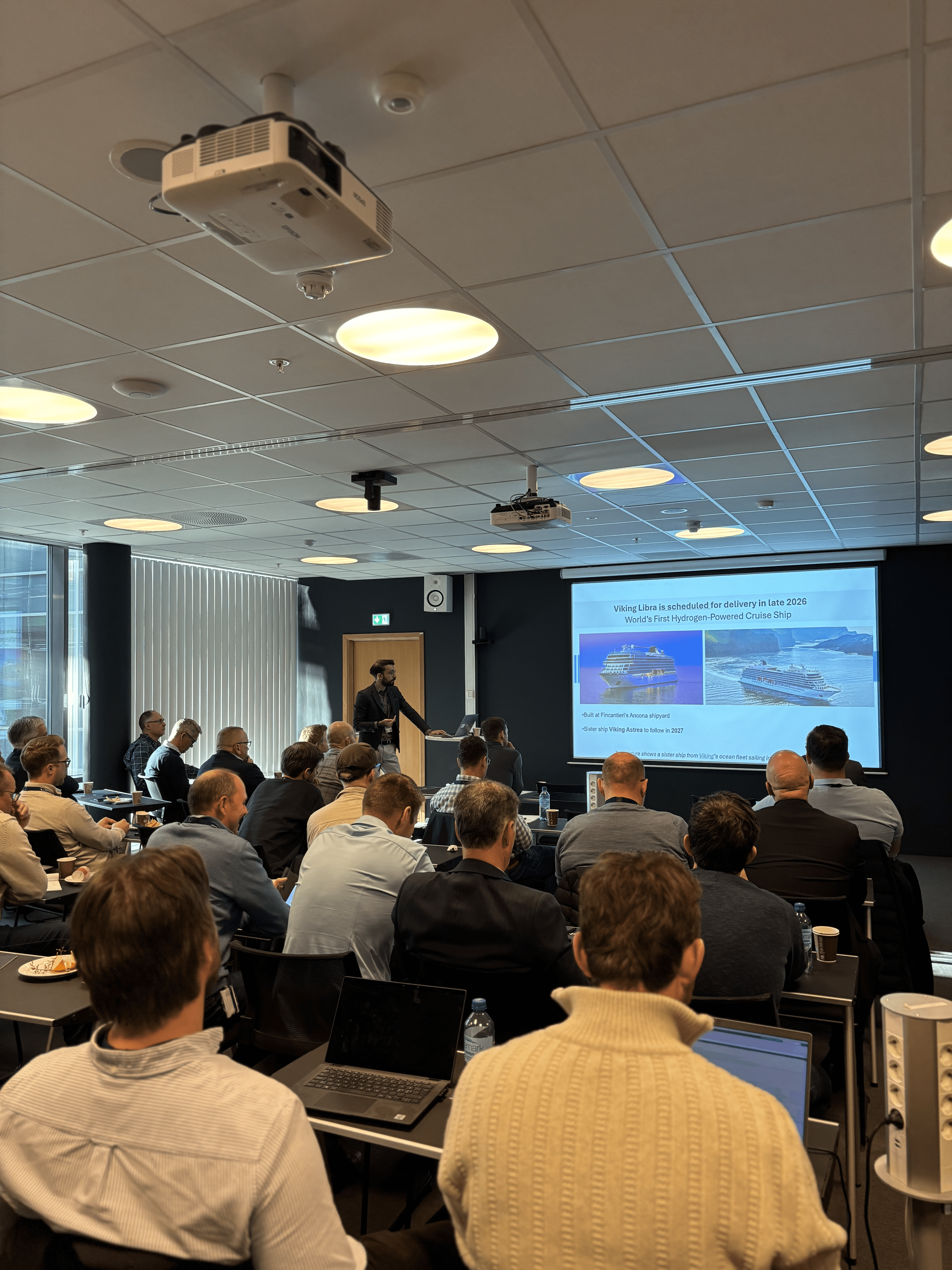
In collaboration with NTNU in Ålesund, we hosted a seminar on the status of electrification in the maritime sector. In conjunction with the ReFuel project, more than 50 experts from academia and industry gathered to present the latest projects, technologies, and challenges in maritime electrification.
The event was divided into three thematic sessions covering everything from developments in battery and fuel cell technology to charging infrastructure and power electronics.
Battery technology
The first session focused on the latest advances in maritime battery and fuel cell technology.
Syb ten Cate Hoedemaker, Managing Director of Maritime Battery Forum, opened the session digitally with a global overview of developments in maritime battery technology across various ship segments and countries. Did you know that 40% of the world’s battery-powered vessels are found in Norway?
Next, Finn Arne Rognstad, Senior Vice President Sales and Business Development at Corvus Energy AS, presented a wide range of state-of-the-art projects that they are involved in, including the company’s first fully electric offshore vessel for Bibby Offshore and the enormous High-Speed Ferry China Zorilla that will shortly be delivered to South America, before looking deeper into Corvus’, the world’s largest maritime battery supplier, expectations for the future.
Petter Nervik from Berge Rederi shared exciting news about the construction of the world’s largest fully electric bulk carrier. The 130-meter-long vessel will be equipped with a 23.5 MWh battery pack and rotor sails and will operate emission-free between Brønnøysund and Elnesvågen.
Pål-Ove Husøy, Co-Founder and Chief Commercial Officer of Nereida Energy AS, introduced the newly established Norwegian technology company and what they aim to achieve while setting up the new company focusing on deliveries of high-performance battery and energy systems, showing how visions can become reality.
To close the first session, Emmanouil Kamilakis, PhD student at NTNU, presented his research titled “Electrification Meets Alternative Fuels in Norway: The Role of Fuel Cells in Maritime Energy Systems.”
Shore power and charging solutions
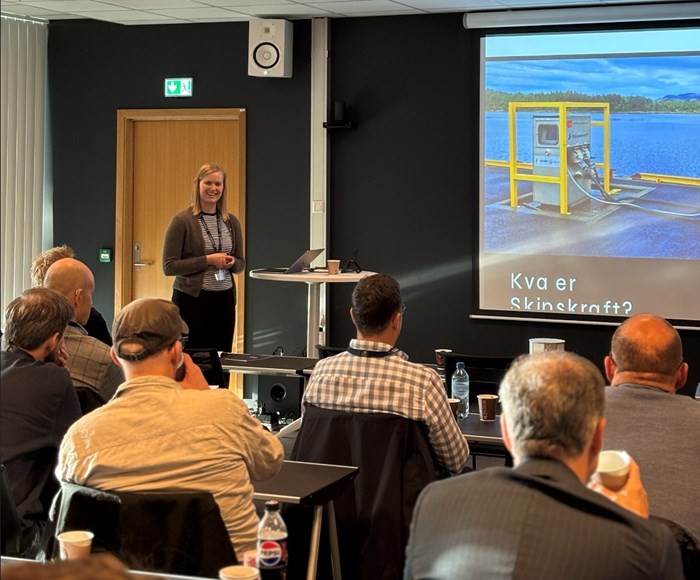
The second session addressed the development and optimization of charging infrastructure, a key factor for fleet electrification. Astrid Myren, Chief Executive Officer of Skipskraft AS, opened with insights from the development of charging facilities at Florø Port. Since 2021, the company has implemented solutions for electrification in industrial ports and gained valuable experience through practical operations.
Steinar Iversen, Business Development Manager at Plug AS, followed with an overview of the company’s efforts since 2018 to build a national and international network for shore power and fast charging. Plug has now installed more than 80 charging stations along the Norwegian coast and has contributed significantly to standardizing safe and efficient connections between ships and shore.
The two stories show that ports are facing different challenges when investing in shore power solutions. Especially for the smaller ports, with a limited number of customers and incentives for the ships to use power, the financial picture is challenging.
Maritime hybrid power systems
The final session focused on power electronics and control systems for hybrid and fully electric vessels. Marius Ulla Hatlehol, PhD candidate at NTNU, presented his research on nonlinear control and dynamic challenges seen in hybrid power and propulsion systems.
Professor Vilmar Æsøy from NTNU concluded the day with a presentation on the challenges faced by hybrid and fully electric vessels at sea, where unexpected and unexplained faults and errors emerge in relatively new vessels.
Engaged Audience and Next Steps
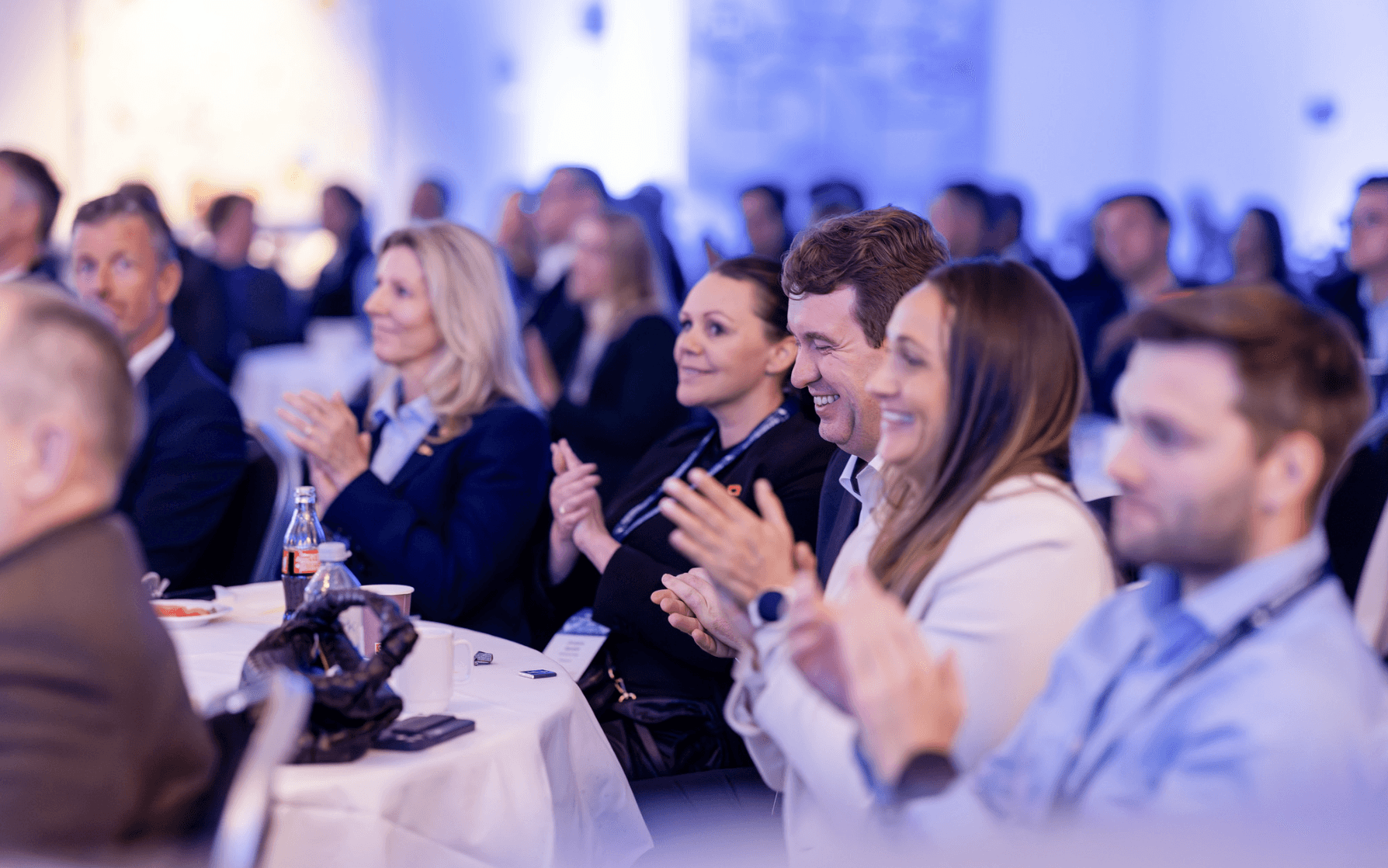
The seminar brought together an engaged audience who actively participated with questions and discussions throughout the day. The event demonstrated the rapid pace of development and the importance of collaboration between research, industry, and technology to maintain the Norwegian maritime cluster's world-leading position in electrical vessels.
A follow-up workshop, focusing on the challenges seen in hybrid and power solutions, is already planned for January 2026, with an even stronger focus on workshops and cross-disciplinary collaboration.
In addition, together with ITS Norway and others, we invite you to a seminar on the 28th of November where we look into the latest status on international digital rules and regulations.