Subject day fishing: The industry wants more
Dec 8, 2025
Local value creation, CO₂ tax, new perspectives on by-products, and good discussions about what future fisheries will require were among the topics the participants at this year's Fisheries Professional Day had to grapple with.
The Battle for the Raw Material
On Wednesday, December 3rd, GCE Blue Maritime Cluster and NCE Blue Legasea held their Fisheries Industry Day for the third time, this time at Nordic Wildfish's new location in Valderøya in Giske. The topic was The Battle for the Raw Material – highly relevant in a time of changes for the fishing industry. The day featured lectures, panels, and discussions on how to secure, develop, and utilize Norwegian marine raw materials in the best possible way.
Anders Bjørnerem, CEO of Nordic Wildfish, opened by highlighting the importance of local fishing and expertise in the region, and how regulations, CO₂ taxes, and geopolitical unrest affect future growth and value creation.
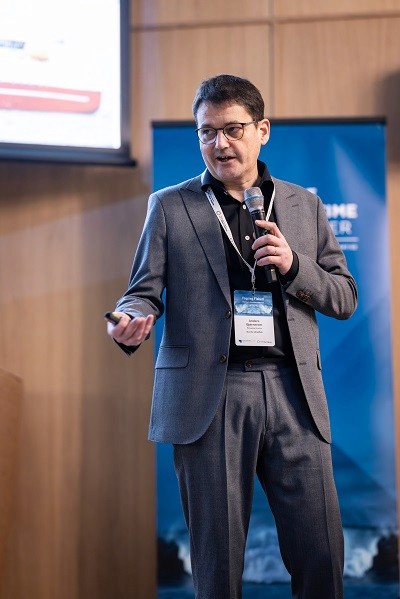
Anders Bjørnerem, CEO of Nordic Wildfish.
New Biomarine Opportunities – and Nature's Frameworks
Nordnesgruppen presented krill as a future resource with significant value potential. The Norwegian Institute of Marine Research followed up with a clear overview of climate change, shifting stocks, and consequences for fish feeding grounds – and the need for knowledge and adaptability.
After the break, Oddvar Strand (MH Service) presented the fishing industry's important contributions to Norway and introduced Gjøsund harbor and the project's continued vision. Giske mayor Kenneth Langvatn emphasized the importance of such initiatives for local and national value creation. Marion Remøy from Sparebanken Norge presented global drivers affecting catch, price, and availability: from quotas and markets to geopolitics.
Bycatch: Large, Underutilized Potential
Wenche Uksnøy from Legsea then introduced the Foodimar project, which the cluster is working on in collaboration with SINTEF, before Rune Frostad (Pretio) presented their journey from bycatch to globally high-value products. Rachel Durand (SINTEF) and Elisabeth Remøy (ÅKP) reviewed technology, market opportunities, and necessary attitude changes for increased landings and value creation from whitefish bycatch. Participants were also able to share their reflections via Mentimeter, and the discussion clearly pointed to the need for accessible technology, better handling and storage, predictable markets, and stable resource access. The goal is to ensure that more fish is landed and developed into high-value products.
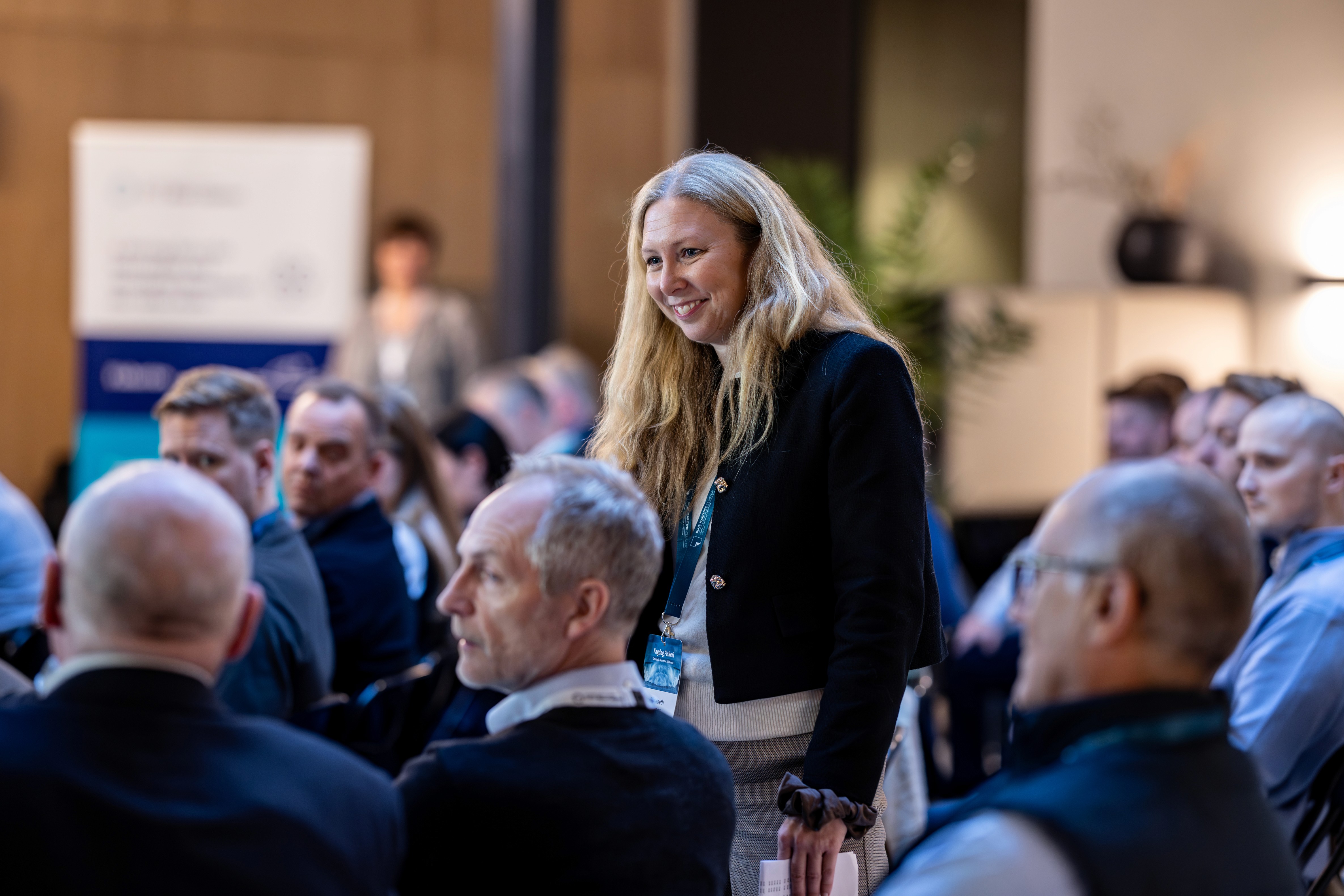
Elisabeth Remøy (ÅKP), sharing reflections from the participants.
Technological Opportunities in Transition
The last part of the industry day focused more on technology and vessel development, which will also be crucial for securing future raw materials. Kongsberg Maritime, led by Kristoffer Remme, demonstrated how small technological adjustments can lead to significant energy savings in the fleet. CEO of Optimar, Siggi Olason, shared insights into the company's repositioning based on consumer demands and market needs, before Marius Sorthe presented Catch ID. Finally, Mathias Grebstad demonstrated Optimar Commander, a step towards better collaboration, precision, traceability, and profitability. The day concluded with a company visit to Optimar, before participants returned to Nordic Wildfish for dinner and entertainment.
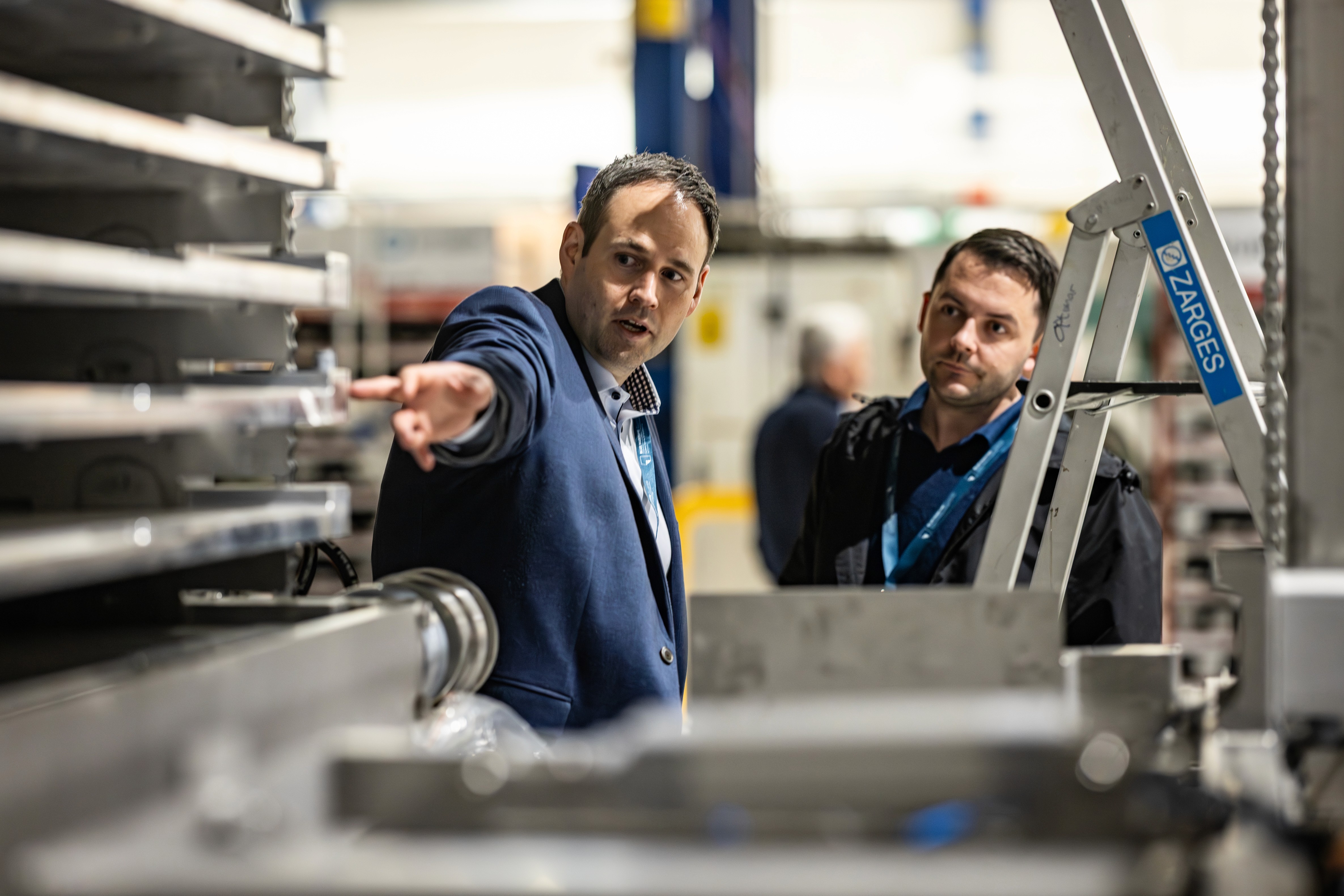
Company visit to Optimar.
Voices from the Industry
Throughout the day, there was significant engagement – both from the stage and among participants. The importance of meeting across fleets, industry, governance, and research was particularly highlighted.
"I think it’s really good that Nordic Wildfish opens up for such an industry day with important topics. This is great," said fisherman Sindre Johan Dyb, who had recently returned from the Barents Sea.
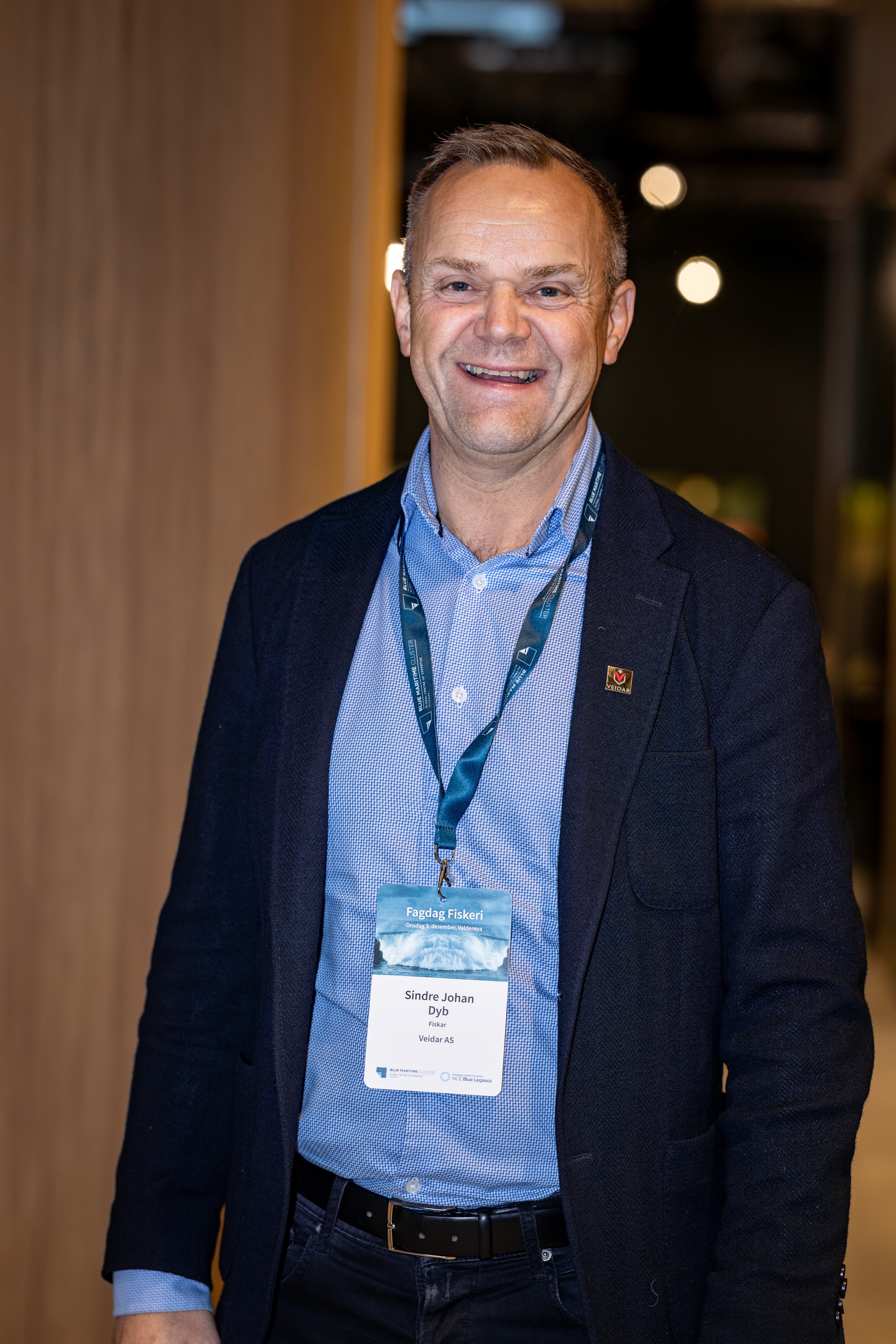
Sindre Johan Dyb, from Veidar.
He emphasized how valuable it is to attend such events when one is often out at sea:
"We fishermen meet far too rarely. Either we are out sailing, or there is a lot to fix on land. So it is incredibly important to have such days."
Many pointed out both community and learning as important benefits:
"It's nice to gather so many from the industry – not just school and research," said Per Magne Eggesbø, who also emphasized the openness characterizing the fleet: "We exchange information all the time and develop based on that."
Bycatch as Opportunity and Challenge
The topic of bycatch was particularly engaging:
"There is a lot of value that we need to figure out how to extract," said Leif Alnes.
From the fleet, important practical challenges were raised, particularly by Jon Grimstad, who pointed out both economics and logistics:
"When the price is good, more comes ashore. It’s about covering the costs. Logistics and reception must also be in place; quality deteriorates quickly."
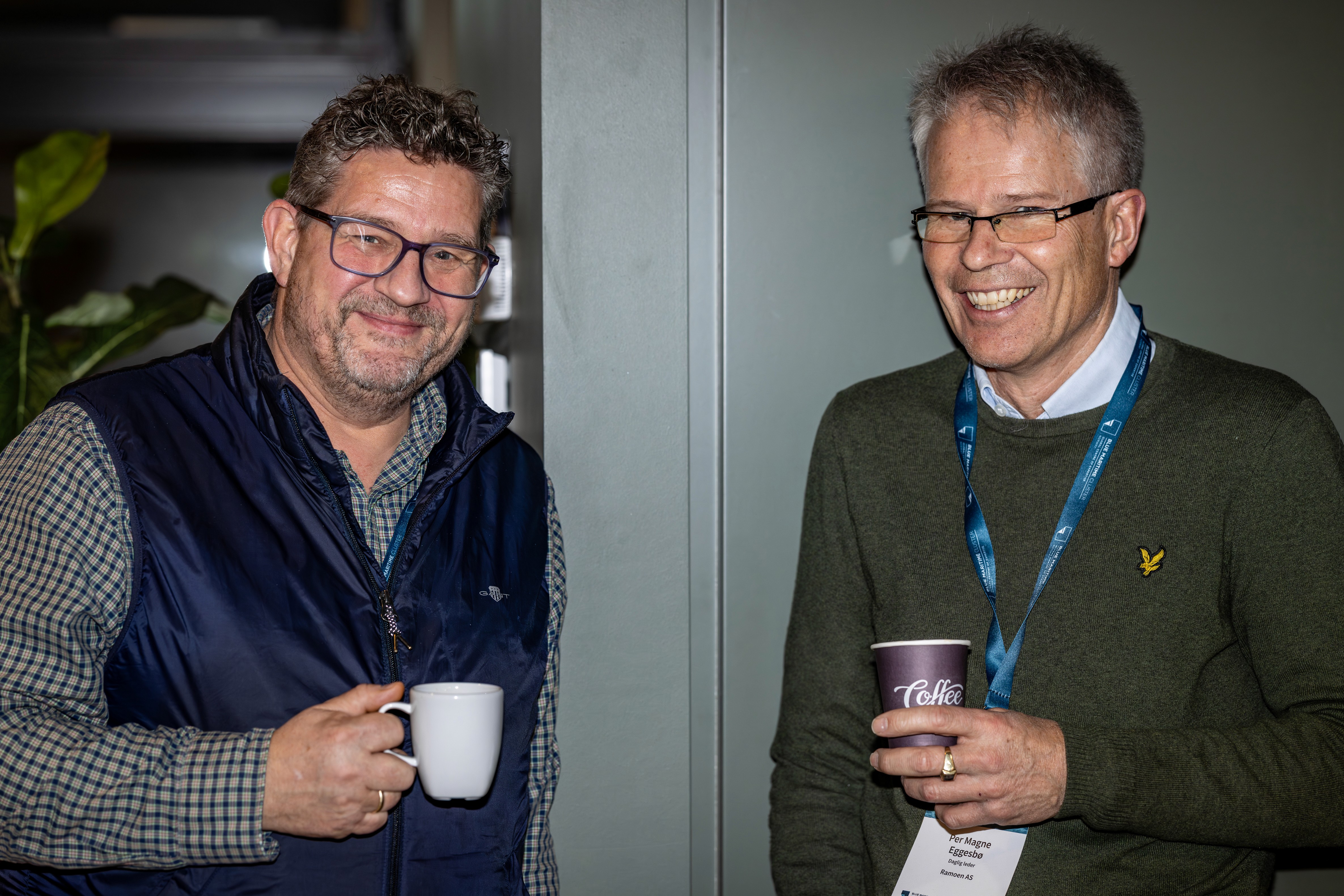
Jon Grimstad and Per Magne Eggesbø.
Per Magne followed up: "If it weren't for the truck being ready to pick up the oil at the dock, we couldn't be working on this. It requires customers and long-term relationships."
Regulatory Frameworks Must be Adapted
Arild Austnes and Ellen Drønnen also addressed challenges related to CO₂ taxes and technology development:
"There are no real alternatives to diesel for deep-sea fishing fleets. Batteries work for other vessels, but not for deep-sea fishermen – then you lose hold space and it’s no longer a fishing boat," emphasized Arild Austnes.
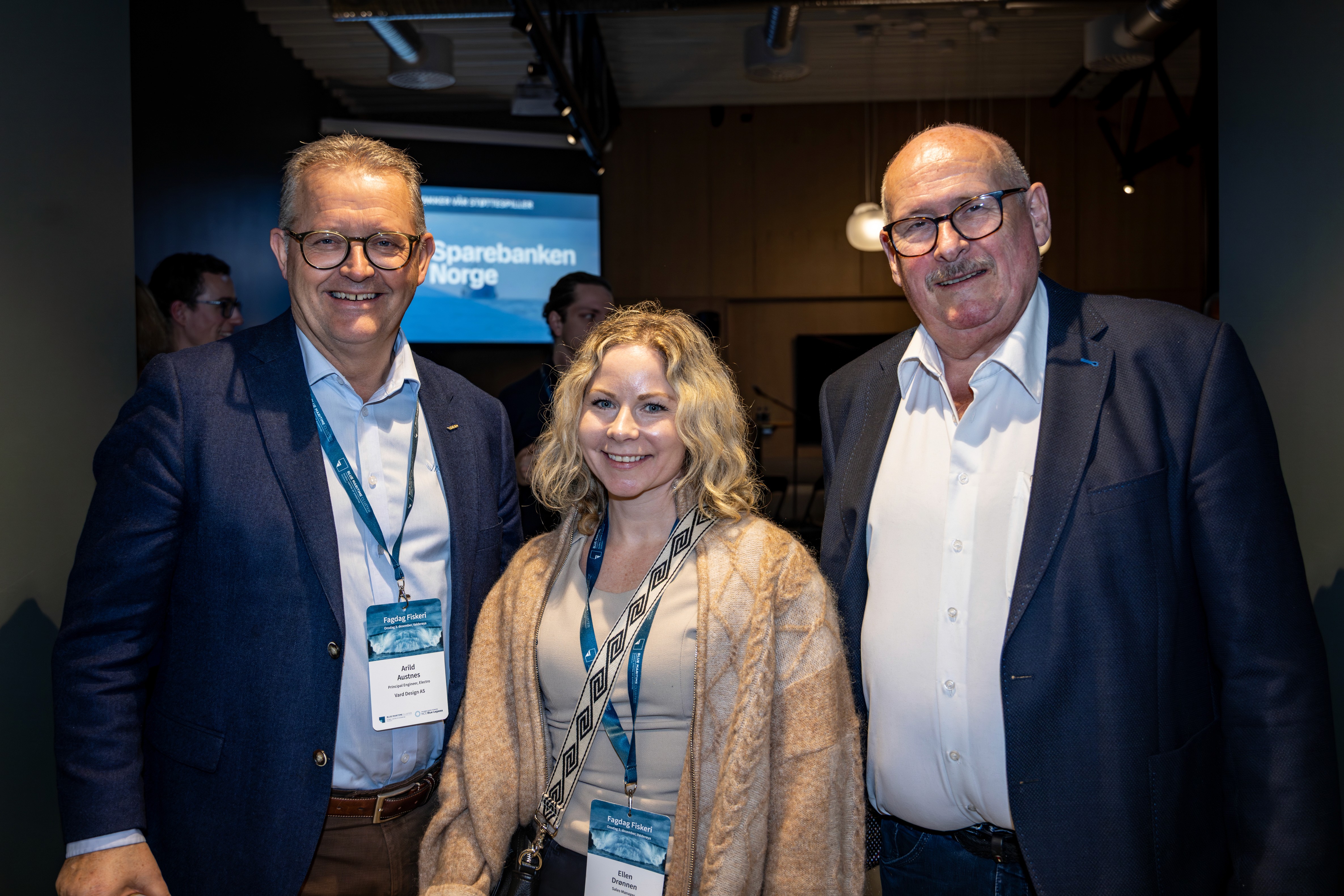
Arild Austnes, Ellen Drønnen, and Leif Alnes.
"One must be given time to actually develop alternative solutions before penalizing the industry," Drønnen added.
Politicians also received a gentle jab:
"We should have had more elected officials on such an important day as this," said Giske Mayor Kenneth Langvatn.
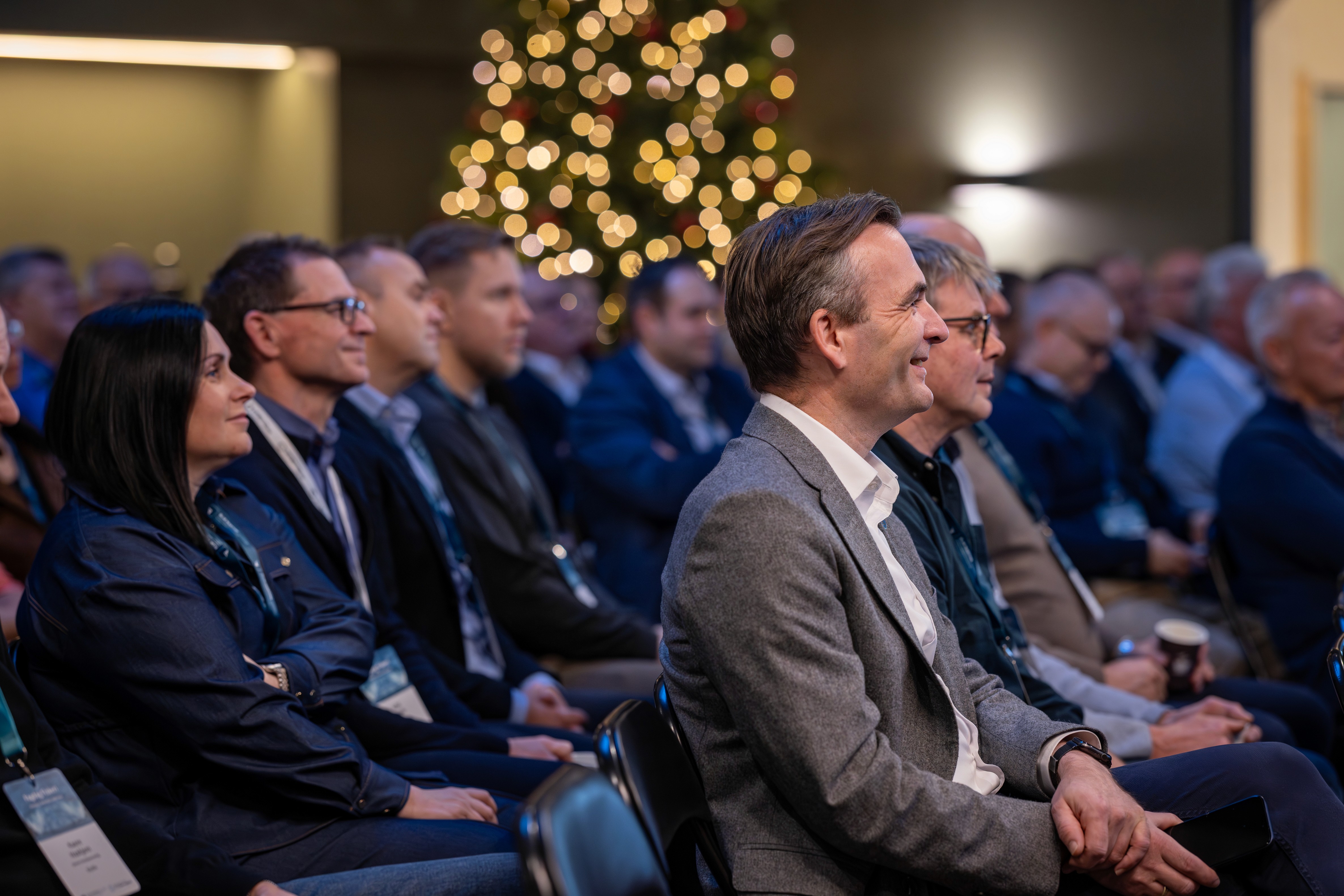
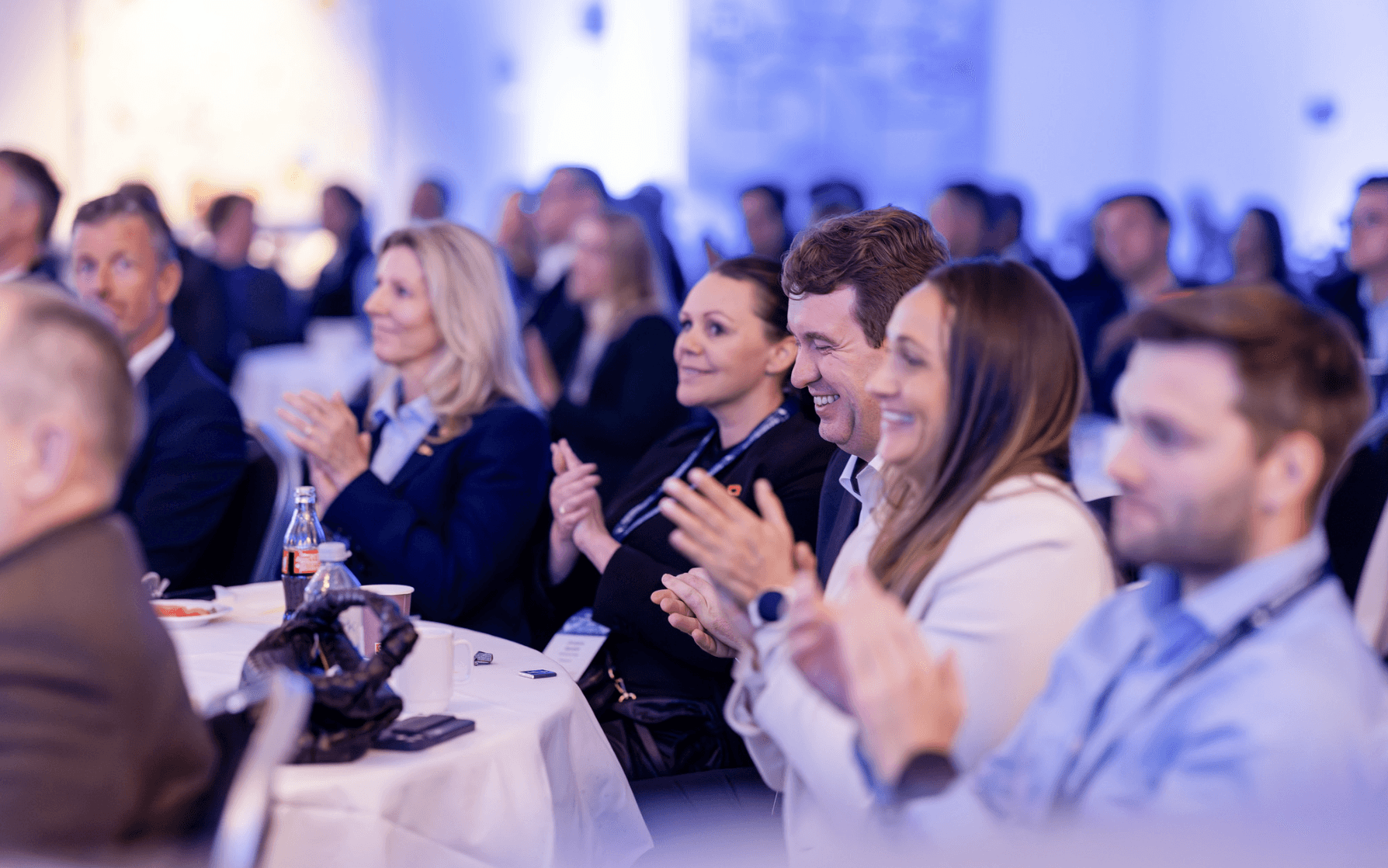
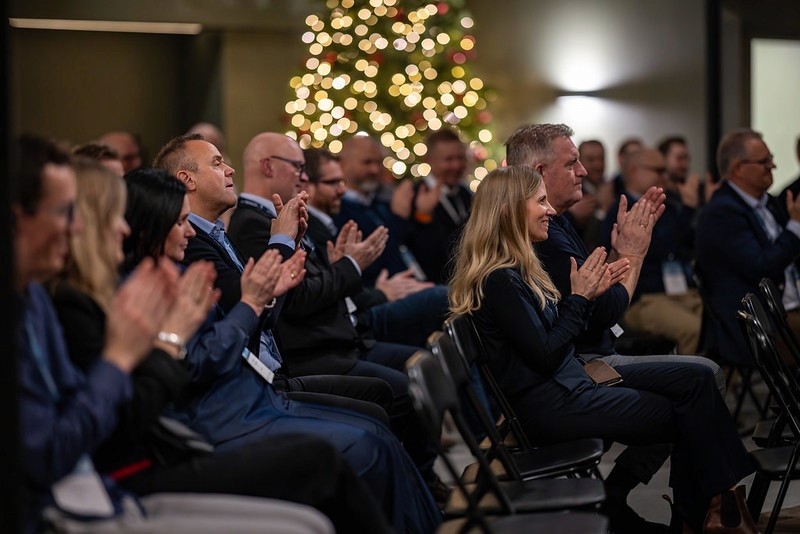
Satisfied audience at Fisheries Industry Day 2025.
This year's industry day highlighted the importance of meeting across fleets, industry, research, and governance. From regulatory frameworks and CO₂ taxes to technology, bycatch, and new biomarine opportunities – the discussions pointed to one thing: the future of fishing requires collaboration, knowledge, and a willingness to change. With the expertise and commitment that emerged on this day, the industry has a strong foundation to secure value creation and sustainability in the years to come.