Blue and green industries meet in Ålesund
Dec 16, 2025
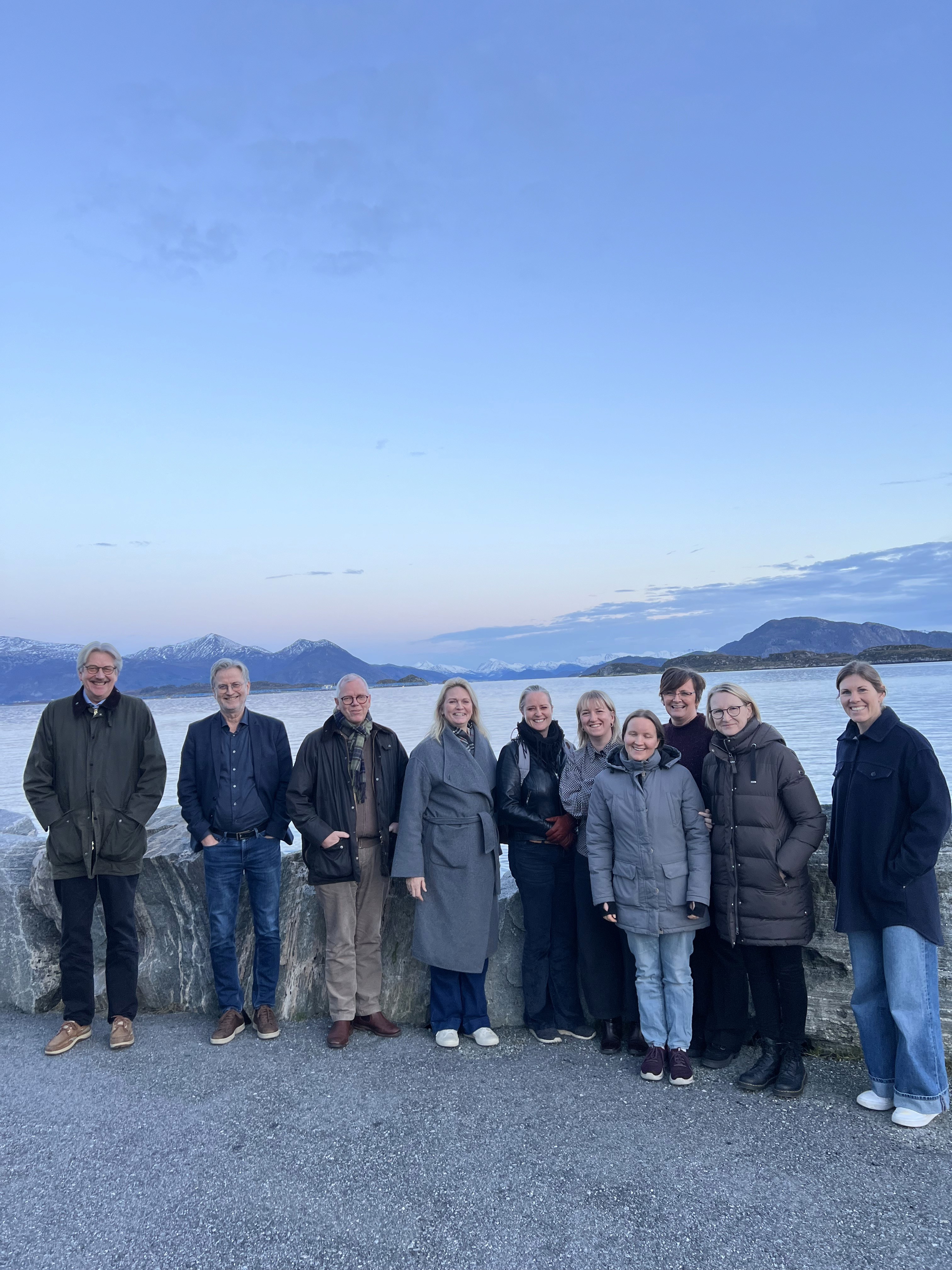
NCE Blue Legasea was visited at the beginning of December by the steering group of the project Future Feed. The purpose of the visit was to provide the green and blue sectors with better insight into each other's barriers and opportunities in the development of the production of Norwegian sustainable feed raw materials.
Project: Future Feed is a collaborative project in the Norwegian agriculture and feed industry, aimed at realizing the government's Mission for sustainable feed by consolidating the mission into more concrete goals and feasible activities. Collaboration between the blue and green sectors is one of the measures to achieve the goals of the mission.
Read more about the Mission here
The participants who visited this week started their stay in Valderøya at Nordic Wildfish's premises. There, Anders Bjørnerem, CEO of Nordic Wildfish, spoke about the deep-sea fleet, how it is built up, and how it operates today. He further discussed today's barriers and the reasons why not more of the deep-sea boats bring more bycatch back to land. Among the challenges he mentioned were political framework conditions, market issues, and the lack of storytelling ability within the industry.
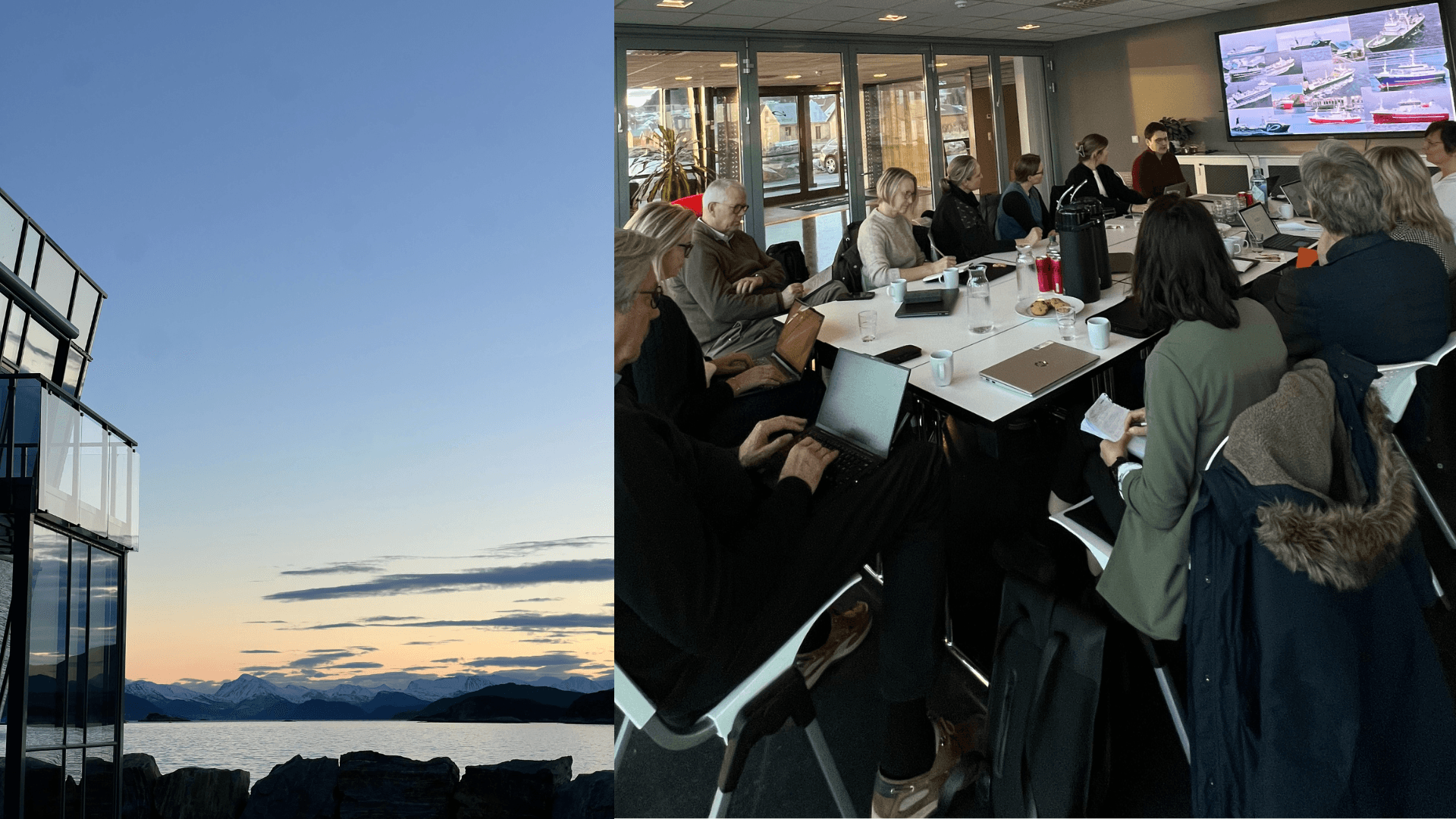
The steering group from the project visiting Nordic Wildfish
How to achieve the goals of the Mission
After several good questions and reflections from the participants, Kjell Emil Naas from the Research Council, and a participant in the secretariat for the Mission, elaborated on how they work. He presented the measures in the report "20 measures for 2026", which was presented by the government the week before. The measures aim to guide how agricultural and aquaculture actors can achieve the goals for sustainable feed by 2034.
The day concluded with reflections on the potential to utilize more of the untapped marine resources. The group discussed the possibilities that can be realized via projects like Gjøsund Harbor, but also the barriers related to investments and costs that will affect both agriculture and fisheries if developing feed from national and sustainable resources is to be feasible.
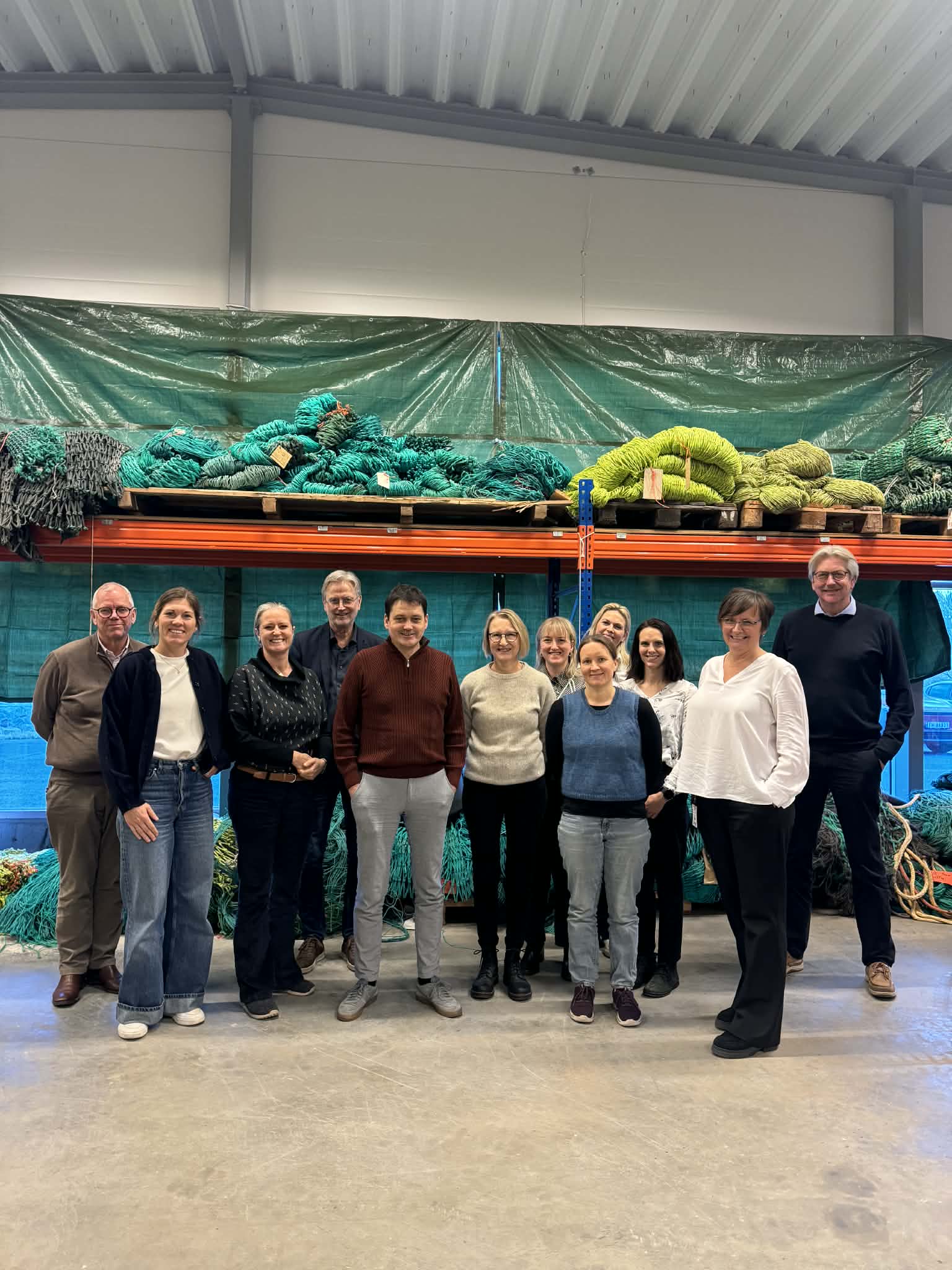
The participants were given a tour of the new premises of Nordic Wildfish, here in the trawling hall.
Hedda Krogstad from Innovation Norway was impressed after the first day and emphasized the importance of meetings like this:
"The feed of the future is going to be very important for Møre and Romsdal, whether it is production or consumption of it. So it is great to see many actors who want to contribute. These initiatives for this mission are what we will be funding, so it is crucial to engage closely to understand the entire risk picture, because it is significant. Therefore, it is also important that we are here today."
The opportunities and needs for the future
On the second day, the group moved to ÅKP Blue Innovation Arena, where several external participants from both blue and green sectors participated. Here, they heard about some of Møreforsking's ongoing projects regarding the utilization of potential new feed raw materials, such as microalgae and humpback salmon. Sintef also presented ReCirc4Future and other projects that address how we can better utilize the side streams in the marine value chain. Hallgeir Sterten from Rimfrost presented the opportunities for krill as a feed raw material, both because of its nutritional content and the benefits of the taste that krill provides. The participants also heard from the green sector, from both Kari Ljøkjel, Felleskjøpet feed development, and Siril Kristoffersen from Felleskjøpet, Rogaland Agder. They presented how feed production has evolved in recent years, regarding composition, methods, and volume, and how the needs in agriculture will be moving forward.
Throughout the day, discussions were dominated by barriers related to scaling and profitability, which generally affect sustainability projects. It was claimed that in the transition to more sustainable feed raw materials, something "good and cheap" must be replaced with something "expensive and much better," and then the question becomes: who will pay for it?
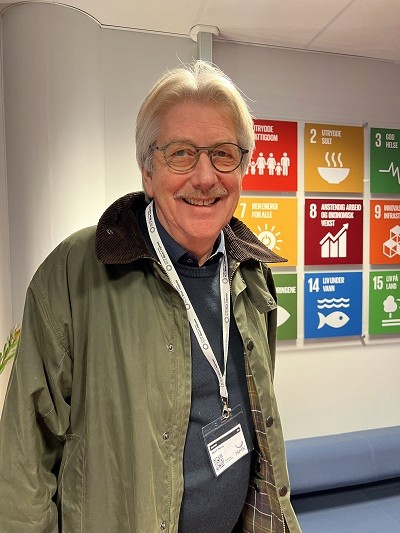
Kjell Emil Naas, the secretariat for the mission on sustainable feed
Kjell Emil Naas, who is part of the secretariat for the mission, believes part of the solution lies in a long-term mindset:
"I believe the solution is that one must enter into long-term contracts; otherwise, no one dares to invest in new raw materials. They do not dare to invest in a large new factory until they know they have deliveries. And those who are to receive these deliveries do not dare to enter long-term agreements until they can demonstrate that they can produce sustainably in large volumes. It is a bit of a catch-22, which we need to break through. And we believe that these pilot projects, creating large volumes on a pilot scale with the help of the regulatory frameworks, can actually be a triggering factor."
Stronger together
Furthermore, the participants' reflections showed both clear differences and important commonalities between the green and blue sectors. The steering group of the project pointed out that the green sector has largely clarified its premises and is now ready to meet the blue sector to identify common needs related to the feed of the future. The importance of getting to know each other's challenges was emphasized, as both sides learned much that they were not previously aware of. The discussions also highlighted the tension between the market, pricing, competition, and collaboration. Overall, the reflections showed a clear need to think multiple thoughts simultaneously, to compete where necessary and to collaborate where possible.
Lise Lotte Dalen, project manager for Project: Future Feed, was pleased with the visit:
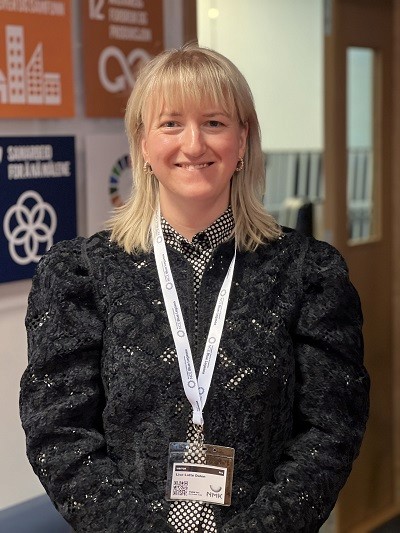
Lise Lotte Dalen, project manager for Project: Future Feed
"It has been extremely useful for us in Project: Future Feed to visit Ålesund to learn more about the value chain of the fisheries industry and the ongoing projects. We also hope to have contributed to a greater understanding of the everyday life and needs of agriculture through this visit. In connection with achieving the goals in the mission for sustainable feed, I see several potential collaborative projects in the future, both in utilizing by-products and regulatory development. NCE Blue Legasea and NCE Heidner Biocluster will take the next steps together in developing projects under our collaboration platform 'Land Meets Sea' to achieve mutual value creation across the green and blue sectors."
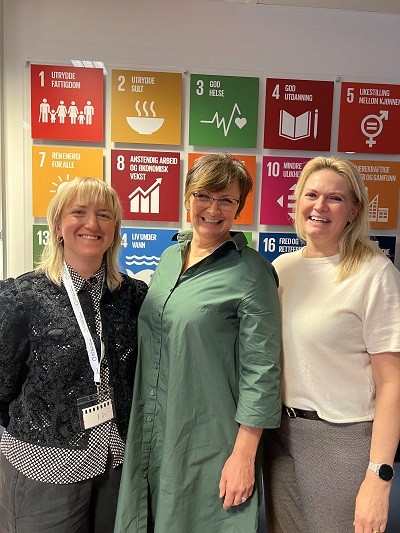
Land Meets Sea, represented by Heidner Biocluster and Blue Legasea